

Picking up Trash
breaking the paralysis of helping others

If you happen to be on any social media these days you’ll quickly notice the comments always have one common theme: They are SO critical.
For example:
“She’s putting her children in SO MUCH DANGER by letting them help her unload the dishwasher!!”
“Instead of bragging about how much money you’ve made on social media, why don’t you go get a job that is beneficial to society?!”
“This weight loss transformation is SO unrealistic. She’s going to gain all the weight back in a month!”
A critical spirit seems to permeate every area of society, and this is especially true when it comes to helping others.
I got to study Community Development in college. In essence, it’s the efforts and plans to help the poor and/or marginalized increase access to resources, lessen poverty, and restore hope to positively impact lives.
The key word here is positively.
When you study development it doesn’t take long to realize that the history of helping those in need has often led to a bunch of well-intentioned (and not so well-intentioned) people trying to help and making bigger messes than before. And mostly it comes from a place of ignorance.
It’s not development, though, unless it is positively affecting lives.
A prominent book in the Church to point all this out to the general public was When Helping Hurts: How to Alleviate Poverty Without Hurting the Poor...and Yourself.
(p.s. I have used an affiliate link to this book so if you purchase I get a small commission but this is in no way sponsored.)
And while I have read this book, love this book, and recommend this book to others, I’m afraid some of us have used this line of thinking mixed up with a critical spirit, let it simmer, and it has led to one dreadful outcome:
We become paralyzed to help anyone at all.
We can’t give money to homeless people we see on the street because they may use it for drugs.
But if we give them food they may not eat it and it will be wasted.
If we offer them a hotel room they will just trash it.
What do we do?
It becomes so overwhelming that we do, well… nothing.
I graduated with practical skills to see transformational projects that empowered people in localized contexts to see change. My education wasn’t from a Dependency Theory lens as is so common today. (The idea that poverty in the Global South is an active process of impoverishment and exploitation). Yet, culture pushes it in our faces so often, that I even became paralyzed.
As soon as I got my license at 16, my house church gathered together and we would often go to the streets, sitting with those experiencing homelessness, talking for hours, sharing food, handing out homeless packs of socks, snacks, and other essentials. We got permission to serve dinners at the local shelter, and most of my friends from that time still to this day stop and chat with a homeless person signing on the street.
When I graduated, I was quick to look back on this time with a critical lens.
For example:
Half the time they would throw away the toothbrushes or soap because they didn’t need it.
We ate together but food won’t buy people a bus ticket when they need it.
By giving resources I was “keeping” people on the street rather than allowing them to seek out shelters and resources they need from social services and nonprofits.
The line of thought can be endless.
The reality is that helping people IS complicated. We can ask people how they want to be helped, but there are a myriad of other factors that even make that methodology ineffective.
I love the homeless. They are the people who have taught me some of the most invaluable lessons of my life. Yet, I was overwhelmed by the daunting task of helping without hurting. So I began to withdraw, not even stopping when I saw someone signing on the street.
I took all this into my time in Hawaii training with a nonprofit for 3-months before going on to my next location. If you’ve ever been to Hawaii you’ll know there is quite a big homeless population. And you’ll also know there is a complex relationship between Haoles (foreigners) and the Kānaka Maoli (native Hawaiians).
So I came to God desperate to simply love people well during my short three months on the Big Island, “What do I do?”
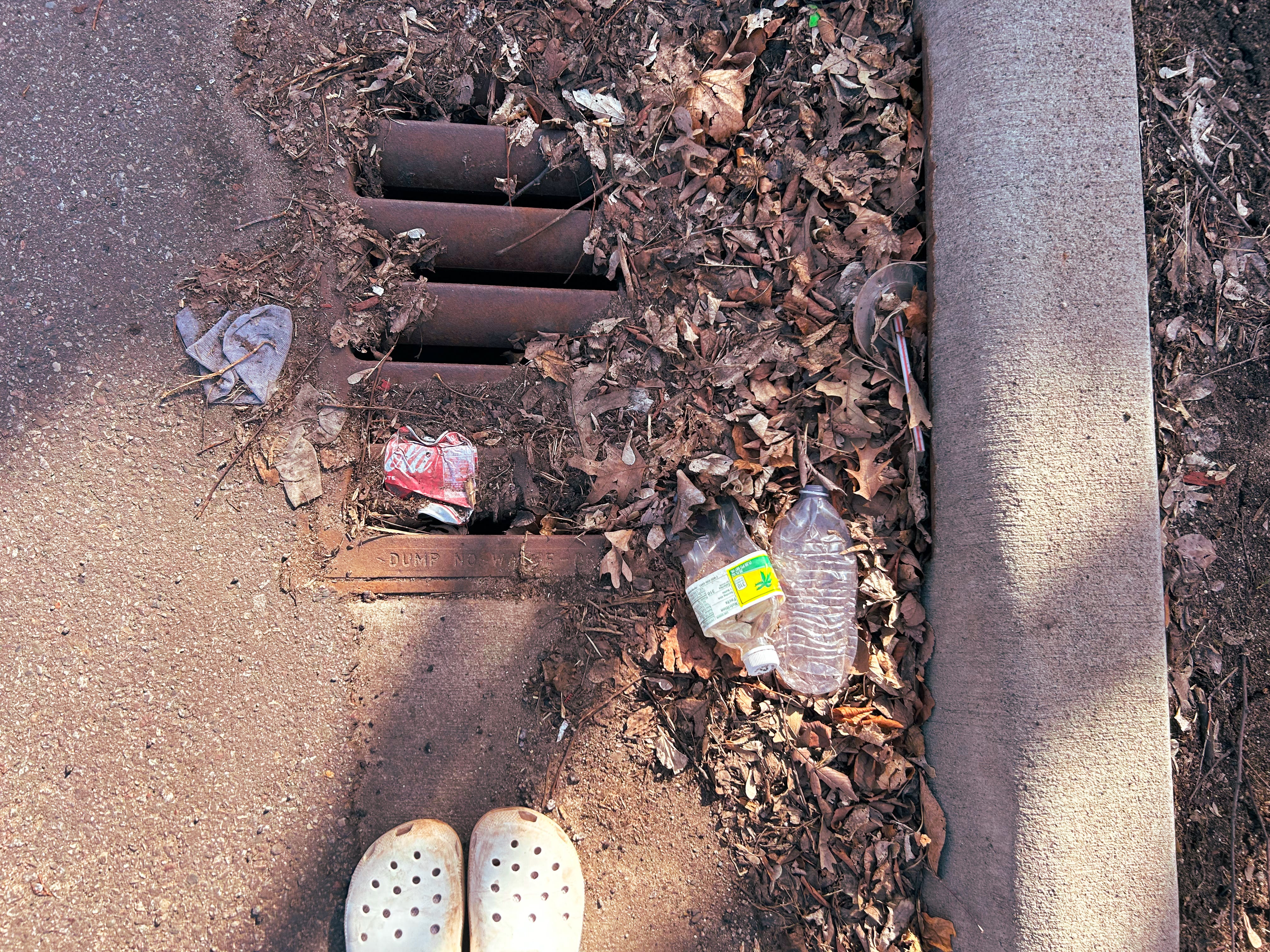
Then I heard a whisper, “Pick up trash.”
Simple enough. In my limited free time, I could do that.
So I did.
Each time at the beach I got in the habit of bringing a trash bag. I kept one in my bag wherever I went.
After about a month, I had a local native Hawaiian come up to me and say, “Thank you for doing this. The island has given so much to you, I can see you understand that you need to give back.”
I continued to befriend many native Hawaiians during that season by just picking up trash. I learned more about the culture, and their story, and saw the lens of race fade as friendship grew.
I wasn’t doing anything big, I was just picking up trash.
I never knew how culturally and relationally contextualized this act was. But God did.
And then a verse came to mind.
“Evil men do not understand justice, but those who seek the LORD understand it completely.” -Proverbs 28:5
That’s a bold statement. We don’t understand justice completely when we read a certain book, learn about a certain theory, or work at a certain nonprofit for X amount of years.
We understand justice when we seek the Lord.
I know that’s pretty countercultural. I also know there have been a lot of Christians doing things in the name of the Lord for justice that inflicts the opposite. But when sincere, I have found seeking the Lord to be the only way to truly help in a way that is empowering, culturally contextual, impactful, and lasting.
I’m not claiming that my few bags of picked-up trash changed Hawaii. I don’t know if it even really impacted anyone at all. But it impacted me.
I was reminded that just because the impact of something is small does not mean we should not do it.
I now look back on 16-year-old Lisa and realize she was onto something. Probably because she was listening to God.
More mature and experienced Lisa has realized the greatest need in the homeless community is relationship. Homeless packs or eating meals together was always a means to get to just that: Friendship. In the words of a social worker I once talked to who works on Skid Row, “I think the most beneficial thing that the Church could do for the homeless is just come down and talk to people.”
At 16, I didn’t know what I know now, but maybe it was better that way. I relied more on God.
Fast forward about 10 years and I spent my time this week picking up trash in my neighborhood and handing out homeless packs. But I don’t give out toothbrushes anymore. I called the local shelter and asked what they thought was best.
I’m not saying homelessness and violence will end when we pick up trash and hang out with the homeless, but it’s something.
And I believe it’s a lie to think that nothing is better than something.
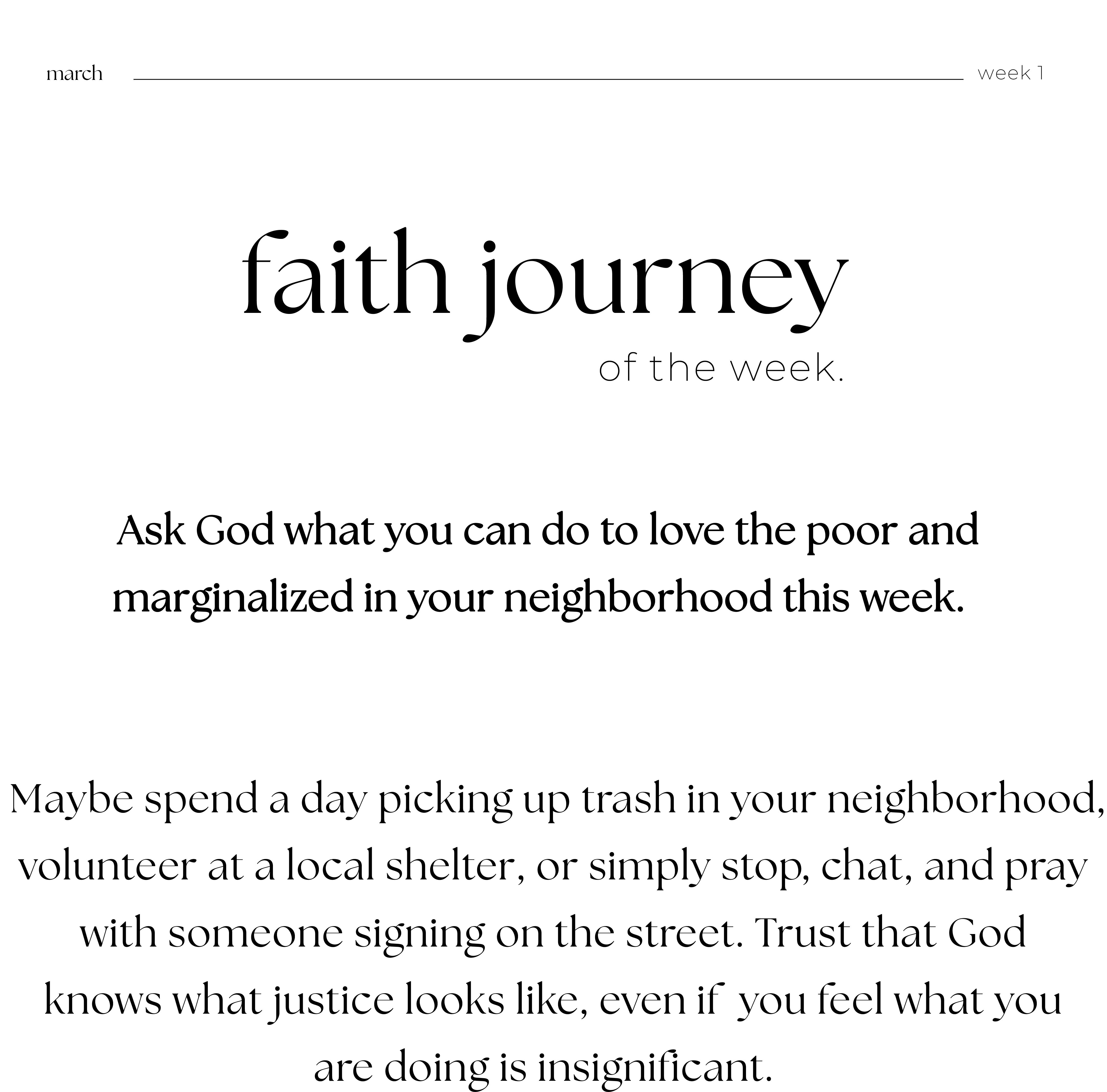
I choose to believe that when we ask God what to do, he knows what will lead to true positive change in the lives of those we serve.
And it changes us. Of course, the whole reason I believe God commands us to love the poor is because it transforms us more than anyone we help.
While I don’t claim to have anything figured out, I am no longer paralyzed.
I pick up trash.
I sit with the homeless.
I ask God to keep me humble.
And I trust what he says. Years later I believe that what He spoke will be exactly what was needed in the context I was in.
For the One,

P.S. I’d love to hear what ways you feel inspired to love the poor and marginalized this week. Leave a comment below to share what you are going to do this week.